Challenges of date export
Dates are considered one of the most important agricultural products of Iran and in addition to their nutritional and medicinal value are regarded as one of the country’s main sources of foreign exchange earnings. Iran’s climatic diversity has made it possible to produce varieties such as Mazafati date, Piarom, Kaluteh, Rabbi and others each of which holds a special position in international markets. Despite Iran’s high capacity for date production the export of this product has always faced challenges and obstacles. Ignoring these issues can lead to a decrease in the share of Iranian exporters in international markets.
The Importance of Date Export in the Global Market
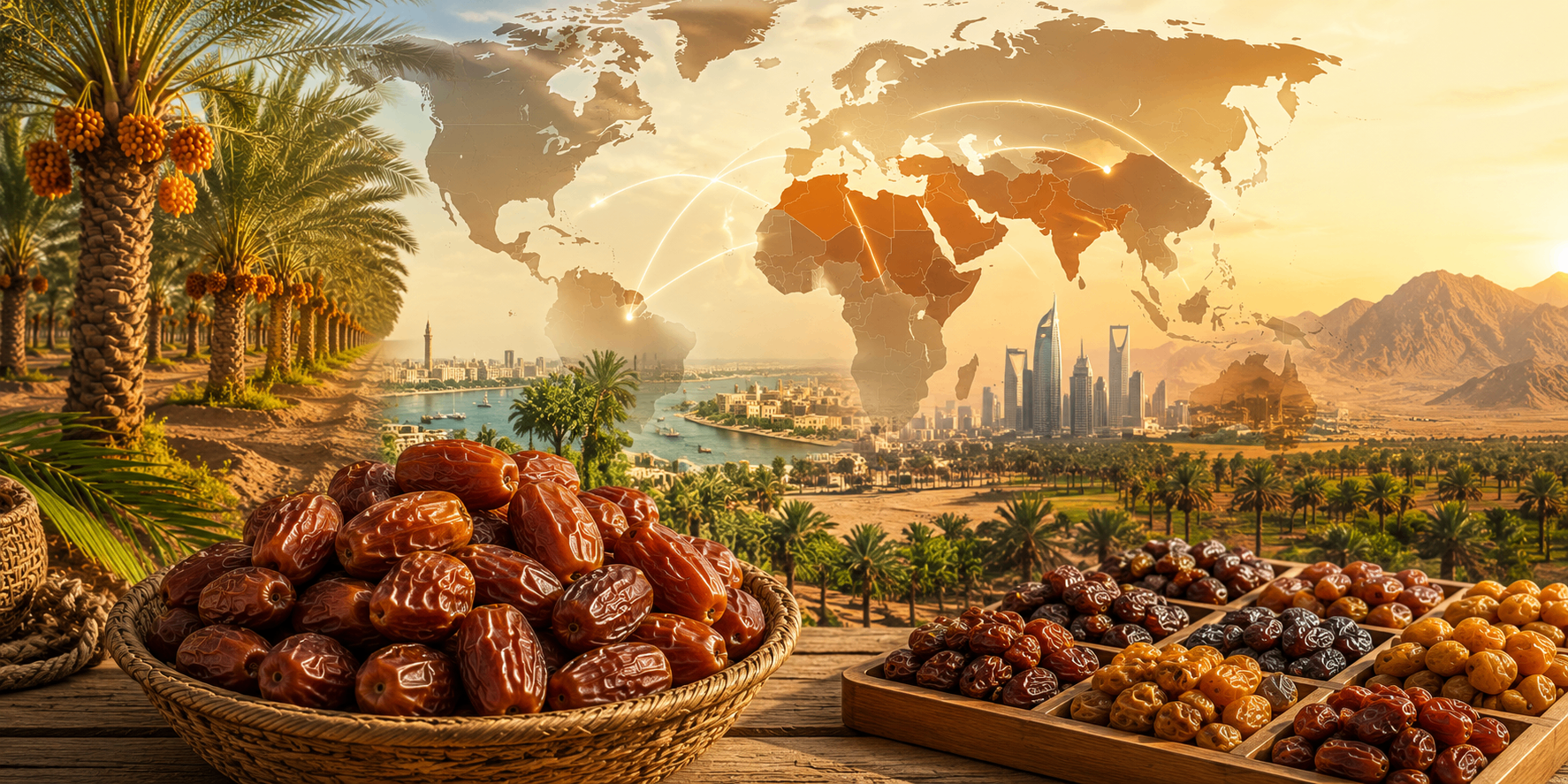
The global date market is broad and highly competitive, involving several active countries including Iran, Tunisia, Saudi Arabia, Egypt and the United Arab Emirates all of which aim to increase their share in global trade by focusing on quality improvement, better packaging and the implementation of appropriate pricing strategies. Iran producing more than one million tons of dates annually is considered one of the largest producers in the world and holds an important position in global date exports. The variety of cultivars and the high quality of Iranian dates provide a significant opportunity to strengthen the country’s presence in international markets. However achieving this potential depends on the precise identification of existing challenges, their efficient management and coherent planning for export development and increased profitability for stakeholders in this sector. In the following these challenges will be examined:
Challenges related to product quality and standardization
One of the most important challenges of date export is the lack of uniformity in product quality. International buyers expect dates offered to be consistent in size, color, moisture content and appearance health according to specific standards. Non-compliance with health requirements and the absence of a precise grading and quality control system are among the factors leading to the rejection of export shipments at customs in some countries which can weaken the position of Iranian exporters in international markets.
In this regard Kimia Zarrin Bahador store by adhering to quality and hygiene standards and utilizing proper processing methods has been able to gain the trust of foreign buyers and play an effective role in supplying high‑quality dates for export markets.
Non-standard and Damaging Packaging
Professional and standard packaging is one of the most important criteria evaluated by foreign buyers. Dates placed in unsuitable packaging are exposed to damage, contamination and quality reduction during transportation ultimately decreasing their commercial value. One of the main challenges for Iranian date exporters is the use of poor-quality raw materials and unattractive designs in packaging. This issue can weaken the product’s image in international markets and negatively affect its competitive ability.
Exchange Rate Fluctuations and Their Impact on Pricing
In international trade the pricing process of export products is directly affected by changes in foreign currency values and any instability in this area can disrupt the financial and commercial planning of exporters. Sudden exchange rate changes in addition to creating difficulties in determining the final product price can reduce profit margins and, in some cases cause losses for exporters. Furthermore currency instability increases the risk of foreign transactions and affects exporters’ competitiveness in international markets as maintaining market share requires offering competitive yet stable prices.
High Transportation Costs
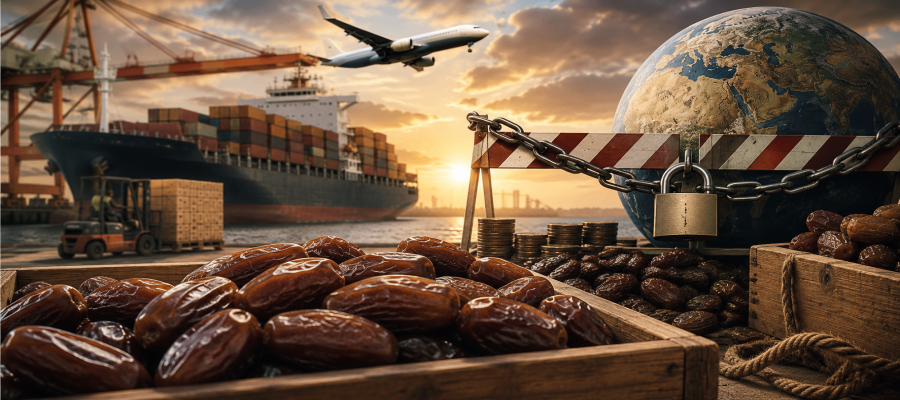
One of the fundamental challenges in the date export process is the high transportation costs and existing limitations in related goods movement infrastructure. Dates as a product sensitive to temperature and humidity, require fully standard and controlled storage and transportation conditions to preserve their quality, taste and health until delivery to the buyer. Therefore the use of suitable equipment and strict compliance with health and technical standards at all stages of product handling and storage is necessary.
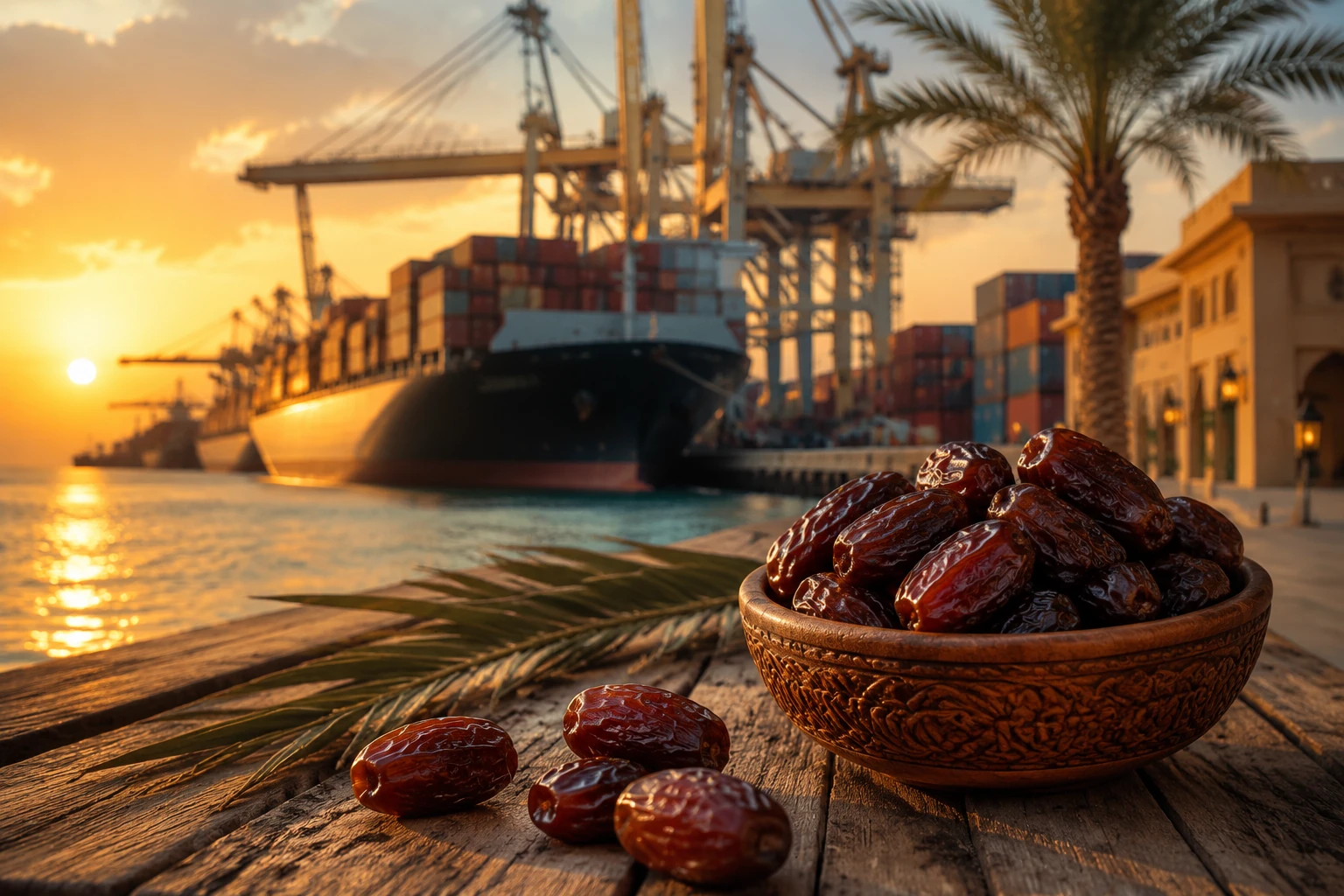
In this context costs related to loading, international transportation, cargo insurance, storage in standard warehouses and the use of resistant and specialized packaging constitute a significant portion of the final export costs. Increases in these costs can reduce exporters' profit margins and ultimately limit their competitiveness in global markets.
In addition to these in some cases the lack of suitable transportation infrastructure including limited access to specialized fleets, the absence of standard storage facilities and the lack of efficient transit routes causes serious obstacles to the export process.
Intense Competition with Major Date-Producing Countries
The global date market is vast and highly competitive and leading producing countries have managed to secure a significant share of this market by utilizing standardized and professional packaging, advanced marketing strategies and targeted pricing policies. These countries have stabilized and strengthened their position in the global date trade through continuous investment in processing, branding, distribution chain development and active presence in international markets.
In such conditions, to maintain and enhance Iran’s position in global markets, precise understanding of consumer needs and preferences in target markets and effective participation in international arenas must be considered.
Challenges Related to Branding and International Marketing
One of the main challenges in the date export sector is the weakness in the branding system and the lack of reputable and well-known brands worldwide. Despite the desirable quality and multiple capabilities of Iranian dates in many cases products enter international markets without a clear commercial identity or with limited introduction. Furthermore in many countries buyers and importers are not sufficiently familiar with Iranian producers and exporters. This lack of information causes them in some cases to prefer products from countries that benefit from more established brands, structured marketing networks and professional presentation methods.
Customs Issues and International Legal Requirements
One of the fundamental and influential areas in the date export process is the strict adherence to customs regulations and full compliance with the standards and legal requirements of the destination country. Each country defines a specific framework of laws, health standards, quality requirements and specialized documents for date imports that exporters must fully and flawlessly observe. These requirements can include quarantine standards, health certificates, packaging conditions, labeling methods and documents related to technical inspections.
Lack of awareness of these regulations or negligence in complying with them can lead to serious and even irreparable consequences, including delays in the clearance process, increased operational costs, the imposition of legal fines and even the complete return of shipments by the destination country’s customs. Such incidents not only impose financial losses but can also undermine the exporter’s credibility and reduce buyers’ trust in international markets.
Strategies for Enhancing Date Exports
To improve and develop date exports attention to a set of essential and well‑planned measures is necessary. One of the most important of these measures is targeted investment in the use of modern technologies in the field of packaging. The use of advanced equipment and machinery can play an effective role in increasing product shelf life, preserving quality and enhancing the visual features of packaging thereby creating the basis for increasing the attractiveness and competitiveness of Iranian dates in international markets.
Serious attention to the issue of branding and the use of effective strategies in international marketing plays a significant role in enhancing the position of Iranian dates in global markets. Creating and strengthening reputable Iranian brands focused and continuous presence in international specialized exhibitions and professional and coherent product presentation can increase the awareness and understanding of foreign buyers regarding the country’s production capabilities and ultimately lead to the expansion of export markets.
Furthermore the development and diversification of target export markets also hold considerable importance. Purposeful and well‑planned entry into less competitive markets with growth potential such as certain African countries and various regions of East Asia can create new opportunities for increasing Iran’s date exports and reducing dependence on current traditional and limited markets.
Professional precise and well‑planned cost management, aimed at maintaining sustainable profitability and increasing competitive capability in international markets is one of the essential requirements for the success of date exports. Alongside this in‑depth and comprehensive knowledge of target markets careful examination of consumer needs and preferences and continuous analysis of competitors’ performance and strategies play an important role in shaping effective export policies and programs.
Final Word
Considering Iran’s significant date production capacity the development and expansion of this product’s export can play an effective role in strengthening the agricultural sector and increasing the country’s foreign exchange earnings. However addressing challenges such as packaging issues, currency fluctuations and weaknesses in branding in international markets requires comprehensive planning, targeted policymaking and the use of innovative solutions in production, marketing and international trade. Attention to these factors can pave the way for increasing Iran’s date exports, enhancing competitiveness in global markets and strengthening the position of this product in international trade.